KARMA AI Learning Summit: Navigating Artificial Intelligence Through Communal Dialogue
Exploring AI, Culture, and Community: Highlights from the KARMA AI Learning Summit
Artificial intelligence is rapidly re-shaping education, workforce workflows, and creative industries across the globe. But what does AI mean for Indigenous communities, traditional ways of life, and the future of our youth?
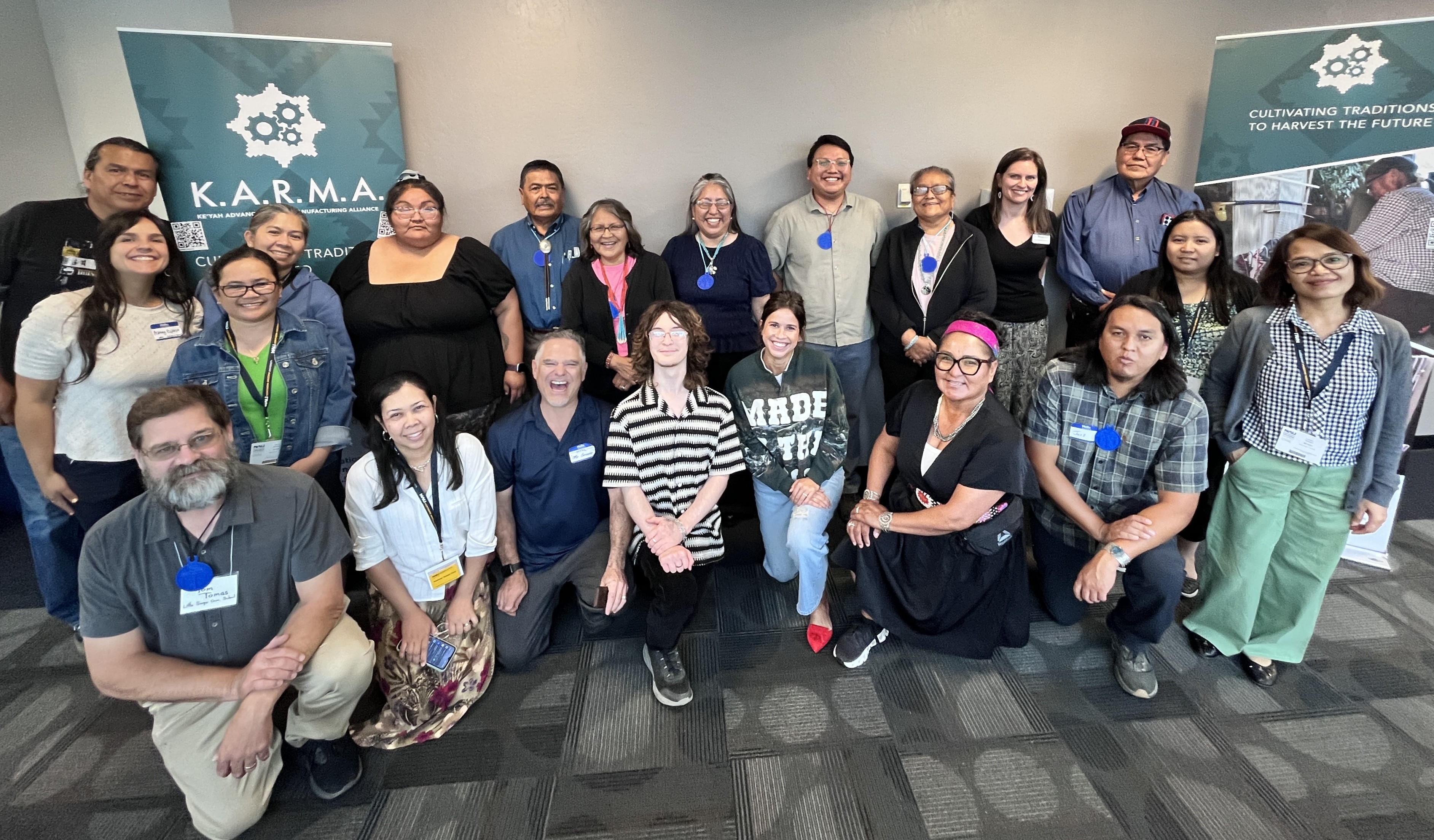
Ke’yah Advanced Rural Manufacturing Alliance (KARMA) brought together educators, students, elders, parents, and community members for the KARMA AI Learning Summit. Broadcast live for the very first time, this full-day gathering created an open, thoughtful space to dissect artificial intelligence—not just as a technology, but as a cultural, ethical, and practical reality.
Here are the key takeaways and highlights from an inspiring day of learning, dialogue, and community building:
1. Carving Out Space for Community Dialogue
As host and organizers noted during the opening address, discussions around AI rarely grant room for rural or Native community perspectives of the developments. The summit set out to change that. Whether you were an educator, student, professional, or a sheep herder, AI impacts our homes, families, and sovereignty.
The summit prioritized open-minded dialogue where participants could share their personal values, concerns, and hopes regarding AI tools, ensuring that Native voices are active decision-makers rather than passive observers in the tech revolution.
2. AI in the Classroom: Critical Thinking vs. Easy Answers
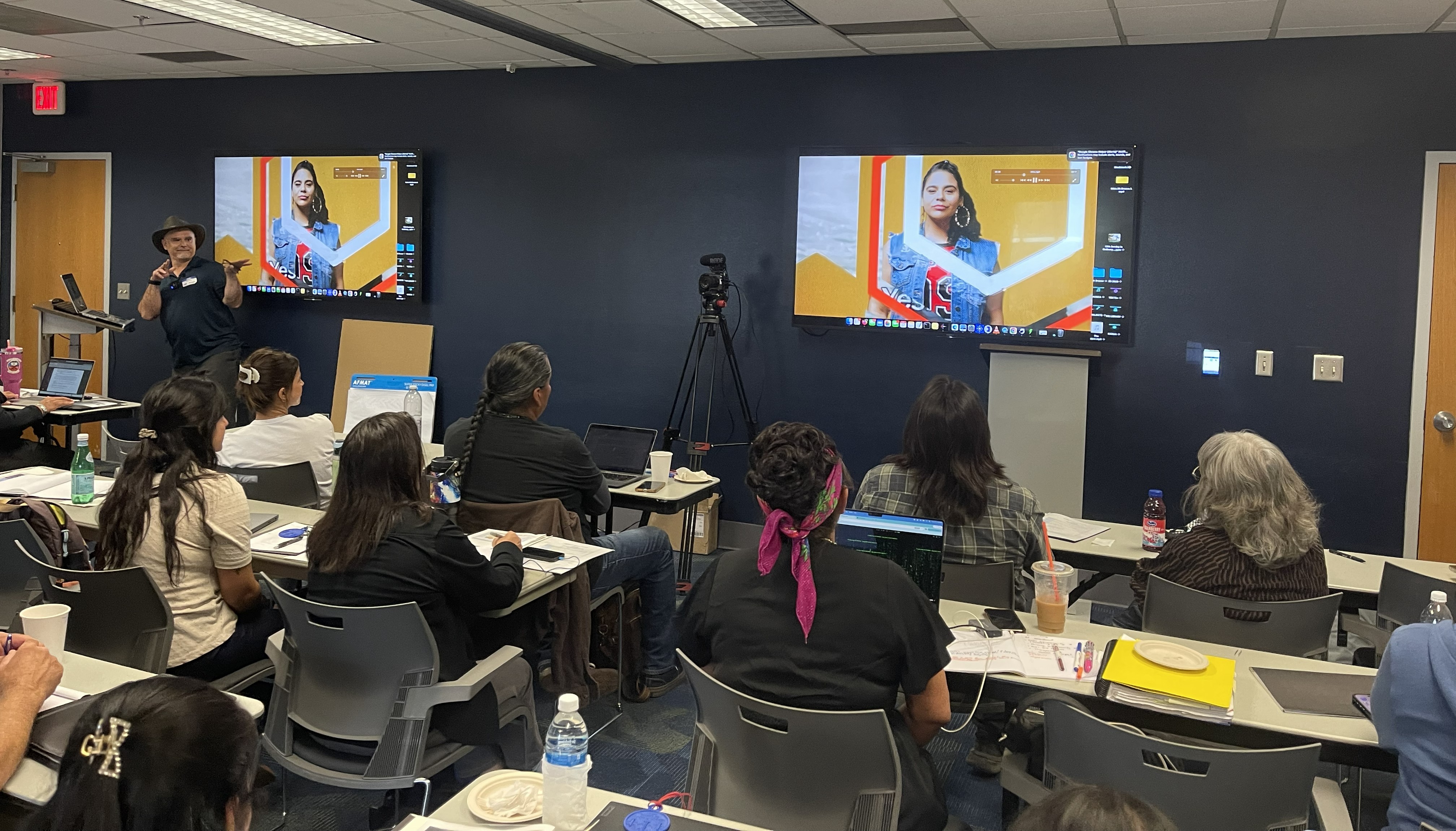
One of the day’s central themes was the practical application of AI in schools. Collaborators—including maverick educator(s) like Mykl Greene from St. Michael’s Indian School (a recent graduate of Navajo Technical University’s Electrical Engineering master’s program) and Dr. Autumn Toney, PhD computer scientist—explored how AI tools like Magic School can streamline lesson planning and administrative workflows.
However, teachers in attendance emphasized a critical balance: while AI can generate answers instantly, educators must guide students to demonstrate their reasoning.
“How did you come up with that answer? Show me your thinking.”
The takeaway was clear: AI should enhance human curiosity and problem-solving, not replace independent critical thought.
3. Safeguarding Culture and Traditional Knowledge
A poignant discussion throughout the day centered on cultural preservation and digital ethics. Participants addressed the reality that vast amounts of traditional knowledge and songs are already available across the internet.
The room reflected on how communities can safeguard traditional ways of life while navigating an internet landscape that ingests cultural data into large AI training models. The consensus underscored a collective responsibility to protect cultural integrity while teaching youth how to navigate these digital spaces safely.
4. The Environmental Footprint: Energy, Data Centers, and Mindful Usage
AI isn’t weightless—it lives in data centers that require immense electricity and water resources. Attendees discussed the hidden costs of generating AI media, pointing out that generating single images or running constant prompts draws real power from the electrical grid.
The panel encouraged mindful usage:
- Utilizing AI purposefully for tasks that save significant manual time rather than generating unnecessary content.
- Exploring renewable energy sources, such as solar power, to offset computing demands.
- Developing healthy digital habits within families by disconnecting from technology and emphasis experiences.
5. Building Strength Through Ke’ (Kinship)
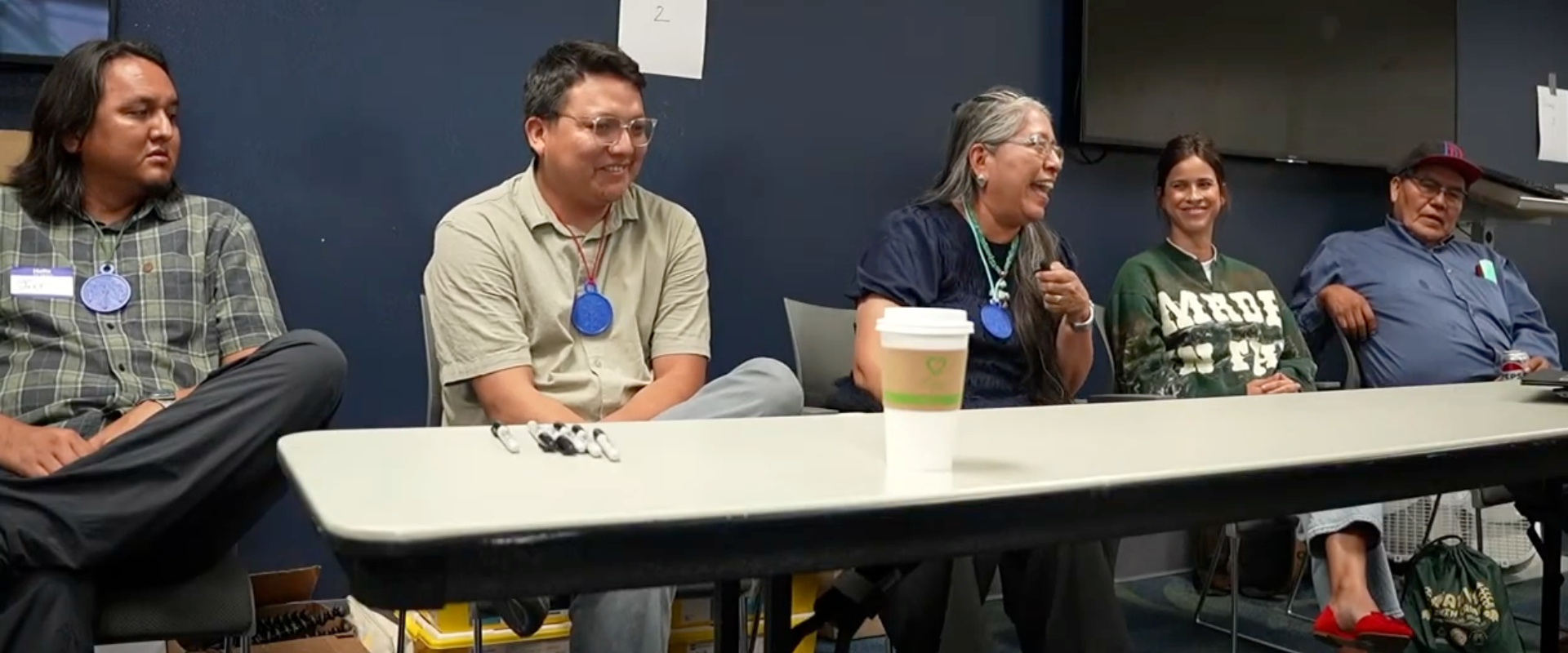
Closing out the day, KARMA organizers expressed gratitude to the volunteers, panelists, and community partners who made the summit possible. Building community capacity requires having rich, sometimes challenging conversations together as families and neighbors.
As KARMA continues to host future events and expand its livestreaming efforts, the summit demonstrated that when Native communities come together to learn, test, and reflect, they pave a resilient path forward for generations to come.
Resource from Summit:
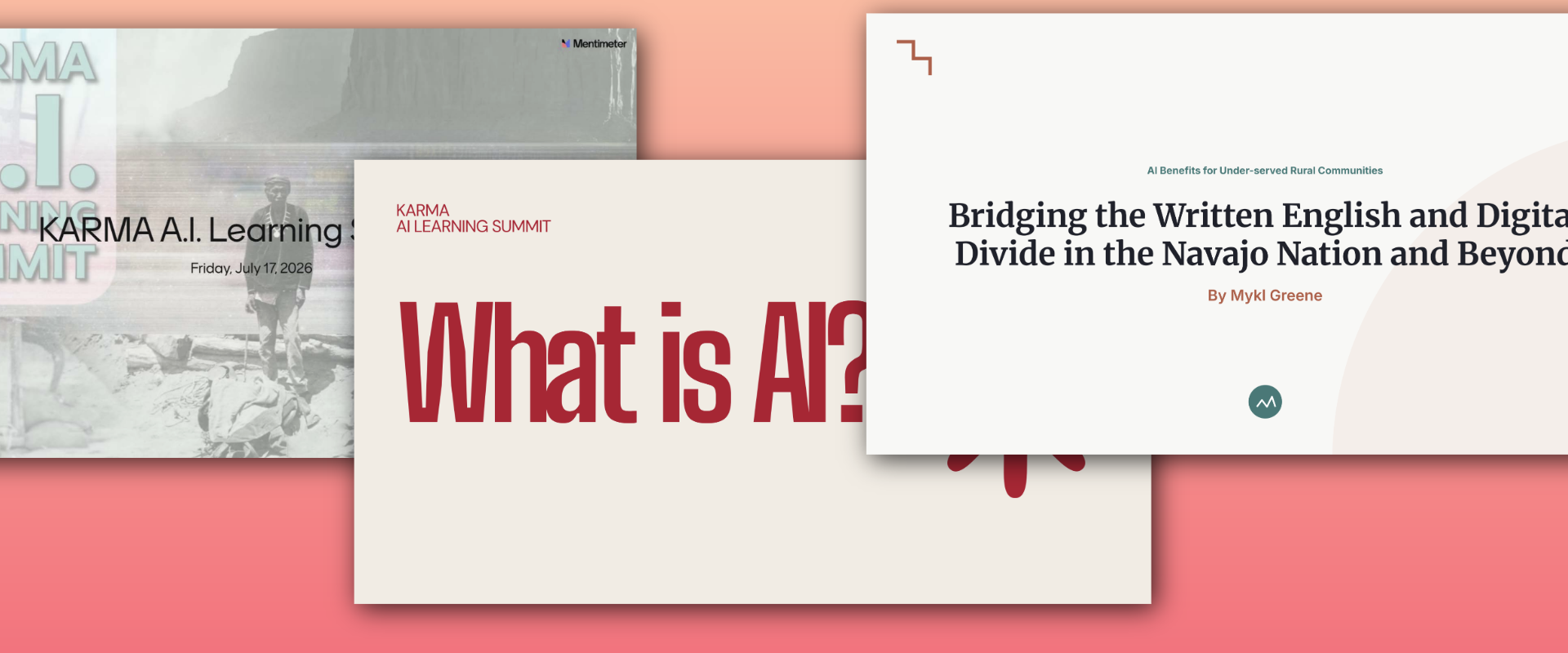
Hyperlink Presentations
PDF Slides:
Keanu
PDF Slides:
Autumn
PDF Slides: Mykl
LEGO Spike Prime Machine Learning Resources:
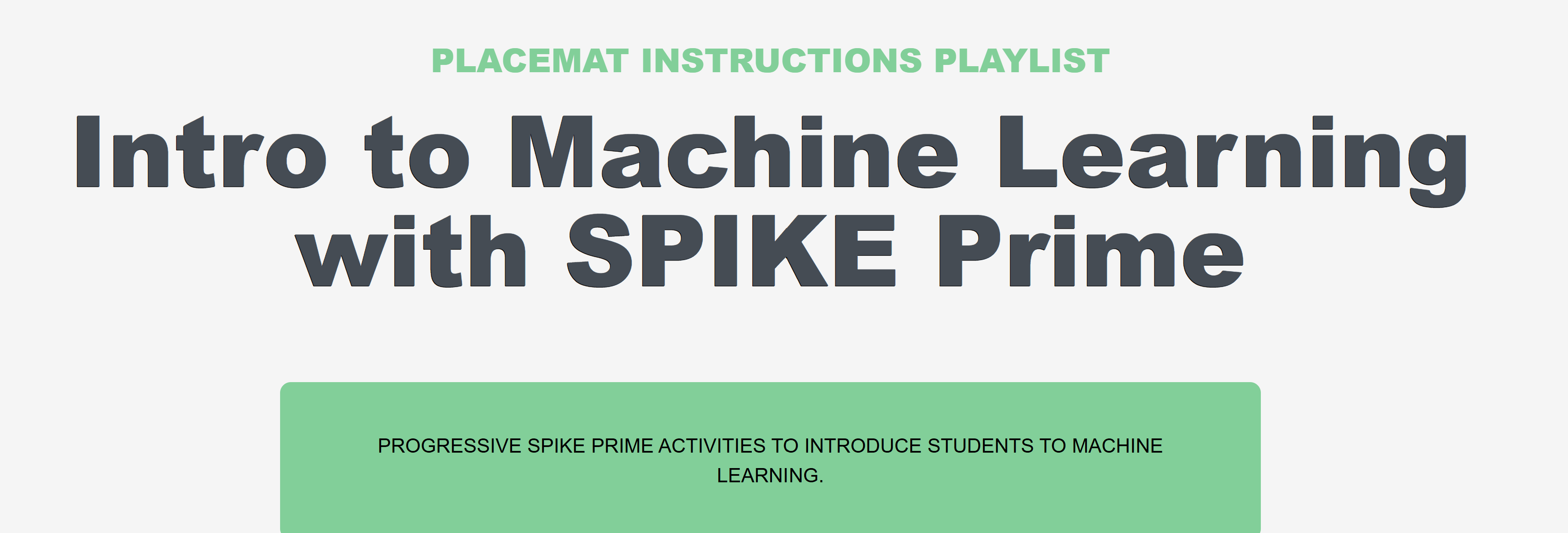
Tufts Center for Engineering Education and Outreach (CEEO) – SPIKE Machine Learning Placemat:
PDF Slides:
Downgrade Firmware:
How to downgrade SPIKE Hub firmware through windows (Video)
LEGO Mindstorms Download:
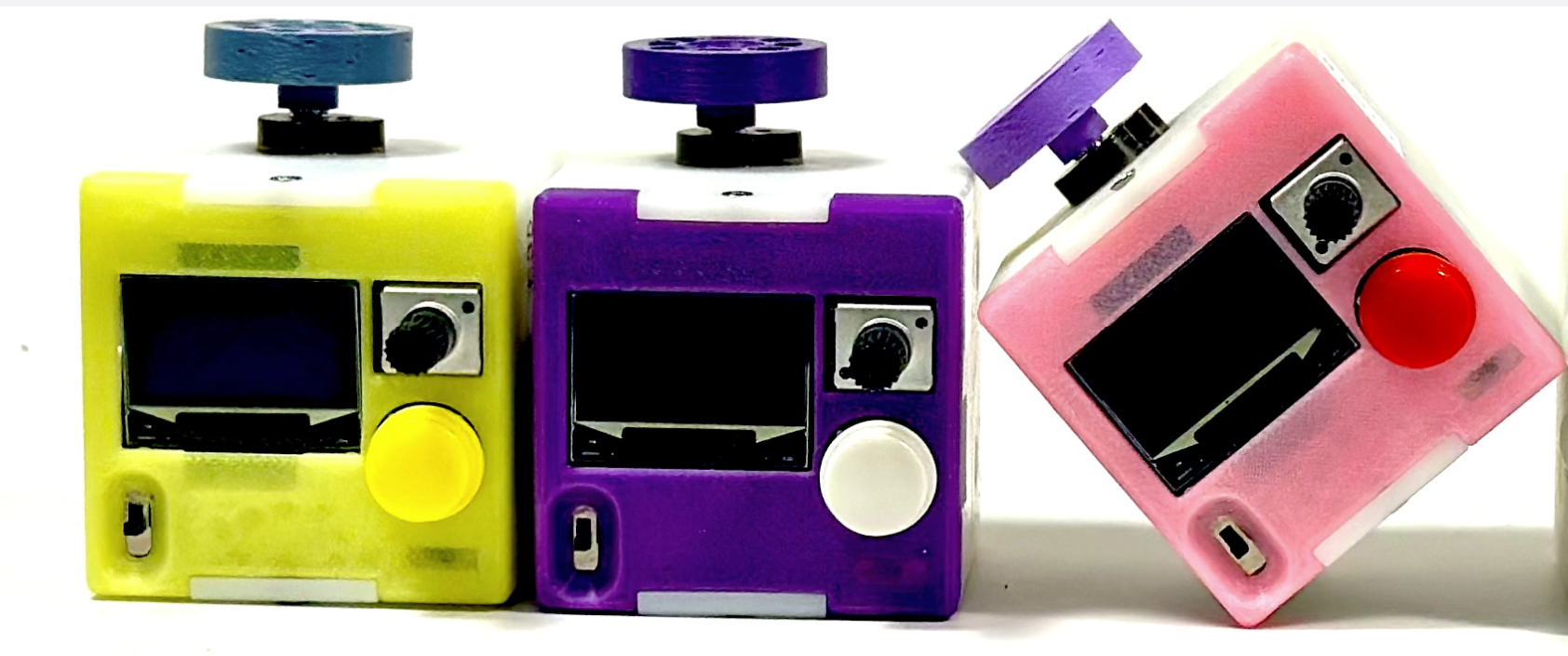
SMART Motors Resources:
PDF Slides:
SMART Motors Website:
How to use Smart Motors:
Contact information:
For more information about KARMA please email: keanujonez@wiikarma.org.